Explore China's significant role in the global gold market, from central bank buying trends to consumer demand fluctuations. Stay informed for better investment decisions.
👉 Need advice? ☎️ Contact Us or 📱 Chat on WhatsApp
China's Growing Appetite for Gold
This article is part of our complete guide to Gold Market Analysis. Explore the full series for everything from India's influence on prices to central bank gold reserves worldwide.
China's role in the global gold market has grown substantially in recent years, spanning consumer demand, wholesale trading through the Shanghai Gold Exchange, and one of the most closely watched central bank buying streaks in the market's recent history. Together, these forces make China one of the single most important countries to watch for understanding gold's broader trajectory.
A Sustained, Multi-Year Central Bank Buying Streak
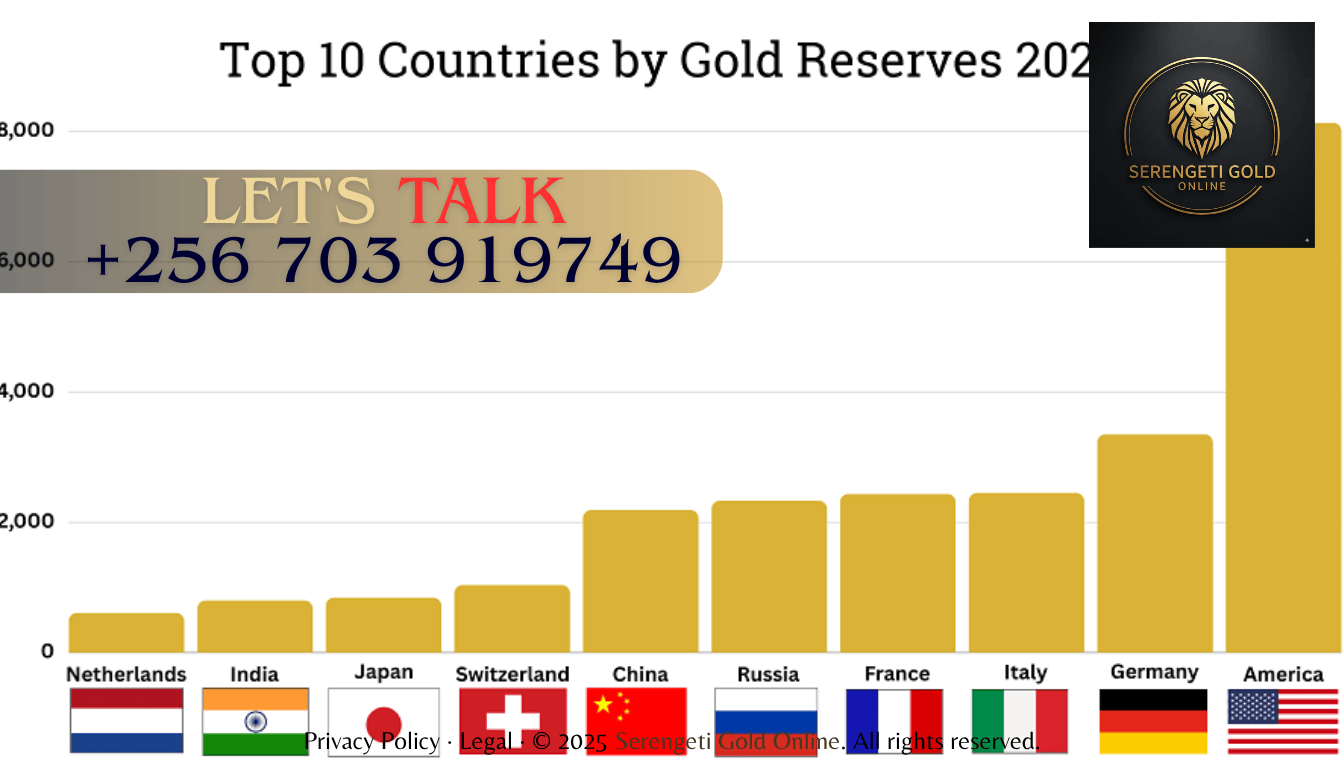
The People's Bank of China (PBoC) has built a buying streak now stretching 20 consecutive months, beginning in late 2024 and continuing steadily through mid-2026 — the longest sustained accumulation run since 2015. Rather than slowing during price weakness, the pace has actually accelerated: June 2026 purchases reportedly reached their highest single-month total since 2023, arriving during one of gold's sharpest quarterly price declines in over a decade. By the end of that buying streak, official Chinese gold reserves reached roughly 2,332 tonnes, representing around 9% of the country's total foreign exchange reserves — still leaving, by most analyst estimates, considerable room for further accumulation relative to reserve holdings in many other major economies.
Why China Keeps Buying Even When Prices Fall
The PBoC's pattern of buying more aggressively during price dips reflects what analysts describe as a counter-cyclical, long-term reserve diversification strategy rather than short-term price speculation. From this perspective, a temporary price pullback represents a buying opportunity for a sovereign holder with a multi-decade time horizon, not a reason to pause accumulation.
The Gap Between Official and Actual Chinese Gold Buying
One of the more debated aspects of China's gold market is the meaningful gap between officially reported PBoC purchases and China's much larger total gold imports and wholesale trading volumes. In some recent months, official central bank purchases have represented only a fraction of the country's total gold demand, with the remainder flowing through commercial banks, the Shanghai Gold Exchange, and jewelry or industrial channels. Some analysts believe a portion of China's true sovereign gold accumulation may be happening through channels outside official reserve reporting entirely, meaning published PBoC figures likely understate the full scale of state-linked buying.
Consumer and Wholesale Demand: A More Mixed Picture
Unlike the steady central bank buying trend, China's consumer-facing gold demand has been considerably more uneven. Wholesale demand through the Shanghai Gold Exchange has at times run well below historical averages, reflecting sustained weakness in the jewelry sector amid persistently high prices — echoing a pattern seen in other major consumer markets like India, covered in our article on India's influence on gold prices. At the same time, net gold imports have periodically surged, suggesting investment-driven buying has, at times, offset softer jewelry demand.
China's Role Within Global Central Bank Trends
China's accumulation sits within a broader global pattern: central banks worldwide purchased well over 1,000 tonnes annually in recent years, a pace roughly double the norm from the prior decade, with China, India, and Turkey historically among the largest official buyers. This broader trend is explored further in our existing coverage of central bank gold reserves.
Why China's Buying Matters for the Broader Gold Market
China's sustained accumulation — combined with the uncertainty around its true scale — has become one of the structural forces underpinning gold's price floor in recent years. Because China's true buying volume is difficult for outside analysts to verify with confidence, it introduces a persistent element of uncertainty into gold price forecasting that traders and analysts have had to factor into their models.
What This Means for Gold Market Watchers
China's dual role — as both a major consumer market with cyclical demand swings and a sovereign buyer pursuing a long-term reserve strategy largely insulated from short-term price movements — makes it one of the most complex, and consequential, forces in the global gold market to track.
At Serengeti Gold Online, staying informed on these dynamics helps us provide better context to customers navigating a global gold market shaped significantly by China's ongoing accumulation.
Continue exploring the series: see India's comparable role in India's Influence on Gold Prices, or the broader central bank trend in Central Bank Gold Reserves. Return to the Gold Market Analysis hub for the complete guide.
👉 Want market context relevant to your gold purchase or sourcing needs? ☎️ Contact Us or 📱 Chat on WhatsApp
.png?width=100&height=100&name=Serengeti%20Gold%20online%20Logo%20(1).png)